
Tooth Sensitivity: What Causes It and How You Can Get Relief Fast
That wince when you sip coffee or breathe in cold air? If your teeth are making their presence known a little too forcefully, you might be dealing with tooth sensitivity.
Let’s break down what’s happening, what you can do about it right now and how the team at Smileologie can help you find lasting relief.
What is Tooth Sensitivity?
Tooth sensitivity, also called dentin hypersensitivity, is that sharp, sudden zing you feel when your teeth react to hot, cold, sweet or acidic foods and drinks. It can also flare up in the cold air or when brushing your teeth.
What you’re feeling is your tooth’s nerve endings being triggered. This usually happens when the protective layer of enamel (on teeth) or cementum (on roots) wears away, exposing the inner layer called dentin.
Dentin is full of tiny tubules that lead directly to the nerve of your tooth, so when something like cold water, sweet food or even air hits those open tubules, it sends a jolt straight to the nerve. That’s the zing right there.
Cold water is one of the most common triggers, as it can rapidly stimulate those exposed nerves and cause a sudden jolt of pain.
Common Causes of Tooth Sensitivity
Tooth sensitivity isn’t caused by just one thing, and often it’s not the main issue. Sometimes, it’s your tooth’s way of waving a red flag that something else is going on.
Here are some of the usual suspects:
- Brushing too hard (or using anything other than a soft or extra-soft toothbrush)
- Tooth grinding (bruxism)
- Gum recession, exposing tooth roots
- Worn enamel from acidic foods or drinks
- Tooth decay, cracks or damaged fillings
- Recent dental work or whitening treatments
- Cold water can trigger pain signals in the nerves of your teeth
Understanding the cause is the first step, because when we know what’s behind the sensitivity, we can treat it properly and stop it from getting worse.
How We Diagnose What’s Really Going On
Tooth sensitivity can have more than one cause, so we don’t make assumptions – or skip steps. Getting to the root of the problem (yes, pun intended) is key.
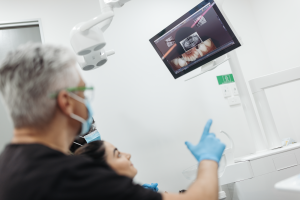
At Smileologie, your dentist will chat with you about your symptoms, check for enamel wear, assess your gums and take any scans needed.
Only once we’ve seen the full picture do we talk treatment.
Fast Relief: What You Can Do Right Now
If your teeth are zinging today, don’t panic. There are a few simple things you can do to take the edge off:
- Switch to a soft- or extra soft-bristled toothbrush and use gentle, circular motions. Brushing too hard can wear away enamel and make sensitivity worse.
- Use a desensitising toothpaste designed to block pain signals to your nerves. Stick with it. These toothpastes work best after a few weeks of regular use.
- Avoid acidic drinks like soft drinks, citrus juices and sports drinks, which can erode enamel and heighten sensitivity.
- Watch out for extreme temperatures. That piping-hot coffee or ice-cold smoothie could be making things worse. Lukewarm is your friend for now.
- Keep flossing but be gentle. Healthy gums protect your tooth roots. Just don’t get aggressive with the floss.
These at-home fixes are a good start, but they’re not a permanent solution. If your teeth are still sensitive or the pain keeps coming back, it’s time to let us take a look.
In-Clinic Solutions for Lasting Relief
If your sensitivity is sticking around or getting worse, it’s a sign that a more tailored approach might be needed.
At Smileologie, we’ll walk you through your options and recommend only what’s right for you.
Here’s what that might include:
- Desensitising Toothpastes: Specially formulated to help calm the nerve signals in your teeth. They contain ingredients like potassium nitrate or stannous fluoride, which help block the pathways that send pain signals to your brain.
- Dental Bonding or Sealants: When enamel wears thin or tooth roots are exposed, we can apply a protective coating (called a bonding agent or dental sealant) to cover the vulnerable areas. This acts like a shield, protecting the sensitive parts of the tooth from outside triggers like cold air or hot drinks.
- Fluoride Treatments: Professional fluoride treatments help strengthen your enamel and reduce your tooth’s response to triggers. They also make your teeth more resistant to decay, which can worsen sensitivity over time. It’s a quick and painless treatment that can make a big difference.
- Gum Grafting: If gum recession is leaving your tooth roots exposed, a gum graft might be the answer. This procedure replaces lost gum tissue using a small amount of tissue from another part of your mouth or a synthetic alternative. It helps protect the roots and reduce long-term sensitivity.
- Root Canal Therapy: This one’s the big guns. But sometimes, it’s necessary. If the nerve inside the tooth is inflamed or infected (and nothing else is helping), a root canal can remove the source of the pain entirely. You’ll still keep your natural tooth, but the sensitivity will be gone for good.
Whatever the cause, we’ll take the time to explain your options, answer your questions and put together a plan that makes sense for you.
Because you deserve relief that actually lasts.
When to See a Dentist
If your tooth sensitivity is getting worse, not better, it’s time to book in. That’s especially true if:
- The pain is sharp, sudden or affecting your daily life
- You notice swelling, gum recession or changes in your bite
- The sensitivity lasts more than a week or flares up randomly
Whether it’s been six months or six years since your last visit, we’re just glad you’re here.
Get the Relief You Deserve
Tooth sensitivity doesn’t have to be your new normal.
Book in with our team and let’s find out what’s causing it, and how we can help.


